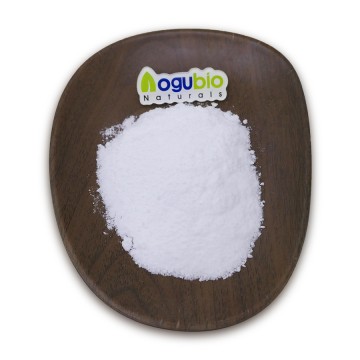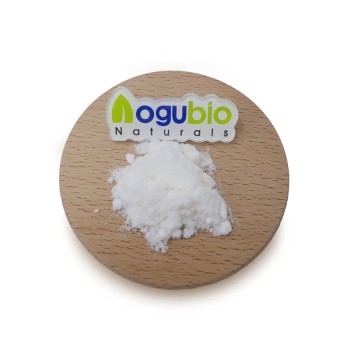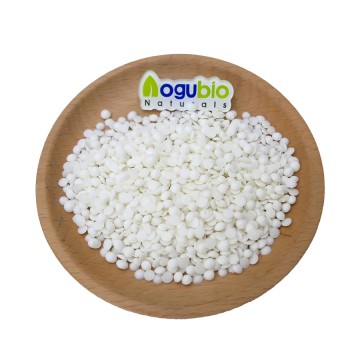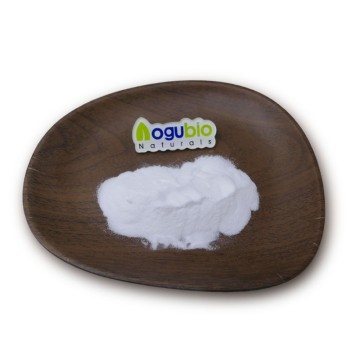
Magnesium Ascorbyl Phosphate (MAP) is a stable, water-soluble derivative of Vitamin C widely employed in the cosmetic industry for its potent antioxidant and skin-brightening properties. Unlike ascorbic acid, MAP offers superior stability and less irritation, making it ideal for formulations targeting aging and wrinkle-prone skin.
In the realm of anti-aging and wrinkle-care product development, MAP stands out due to its ability to stimulate collagen synthesis, protect against UV-induced skin damage, and reduce melanin formation. These multifaceted benefits align with the growing consumer demand for effective, mild, and scientifically-proven ingredients that improve skin texture, elasticity, and overall youthfulness.
The global anti-aging market is projected to grow rapidly, driven by rising awareness about skin health, increasing longevity, and a surge in demand for clean and effective skincare products. Magnesium Ascorbyl Phosphate plays a crucial role in this expansion thanks to its versatility and proven efficacy.
Market research highlights a shift towards ingredient transparency and natural origin, where MAP serves as a compelling option since it offers Vitamin C benefits with enhanced formulation safety and reliability. Moreover, technological advancements in encapsulation and delivery systems have further increased the bioavailability and penetration of MAP, contributing to more innovative wrinkle-care serum and cream products.
From an industrial perspective, manufacturers are adopting greener synthesis methods and emphasizing sustainable sourcing to meet regulatory demands and consumer expectations for eco-friendly cosmetics. This trend fuels continuous investment in MAP-related R&D, targeting longer shelf life, enhanced skin compatibility, and multifunctional benefits such as brightening plus anti-pollution protections.
MAP's unique characteristics open several practical avenues for anti-aging and wrinkle-care product developers:
These versatile application scenarios position Magnesium Ascorbyl Phosphate as a cornerstone active in next-generation anti-aging serums, wrinkle creams, facial masks, and even advanced delivery technologies such as microneedle patches or encapsulated nanosystems.
MAP enjoys significant commercial traction in leading skincare brands globally, notably in premium and clean beauty segments. Its relatively low irritation profile makes it highly attractive for consumers with sensitive, aging skin.
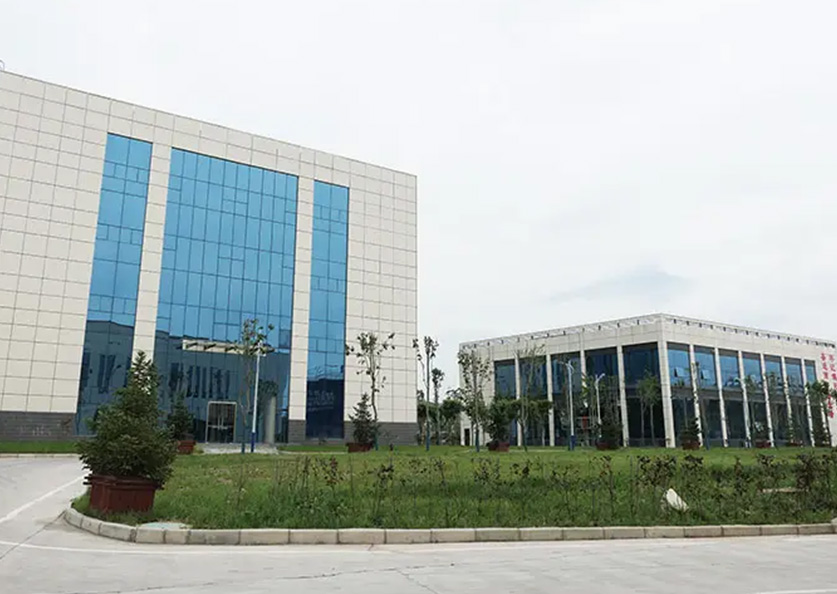
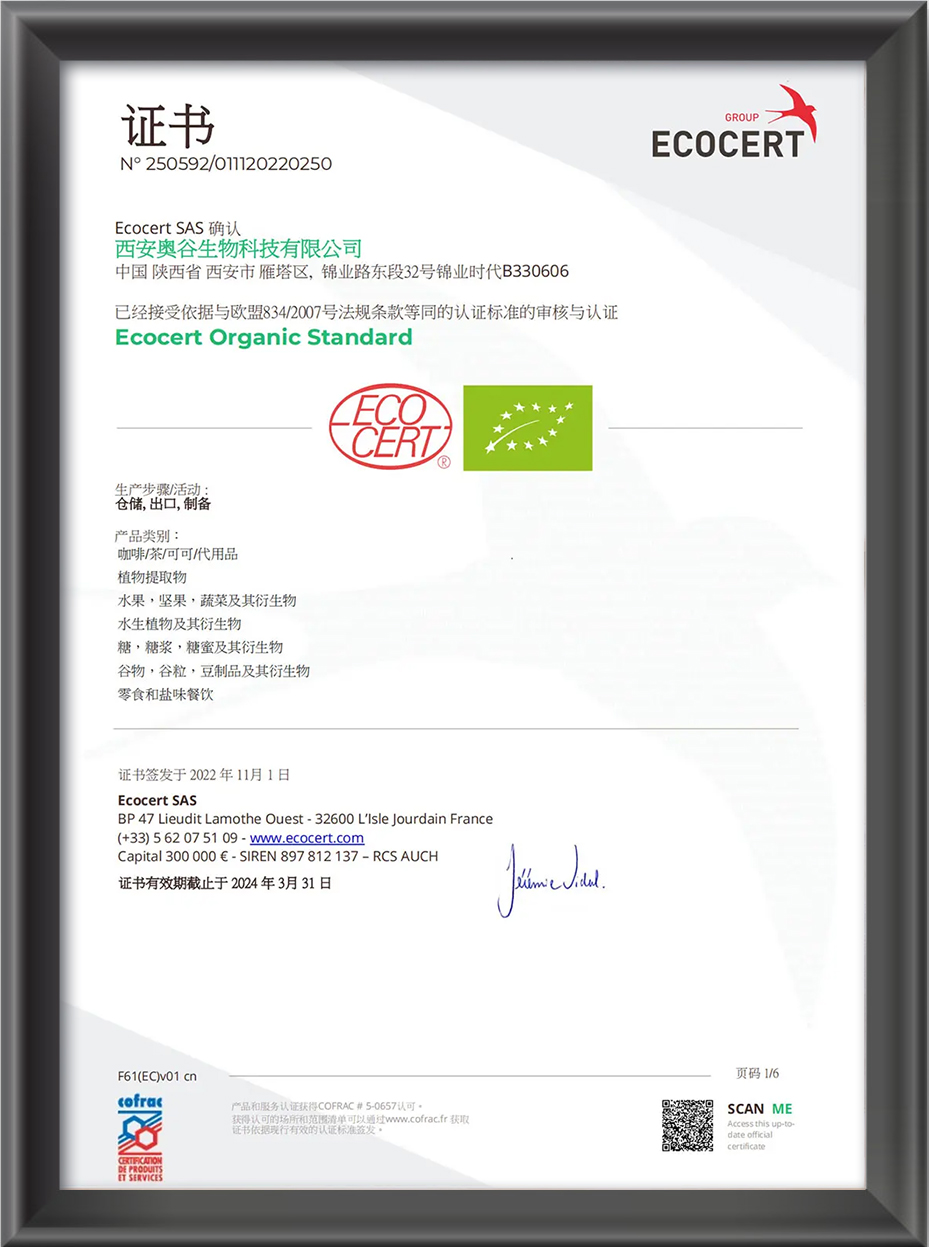
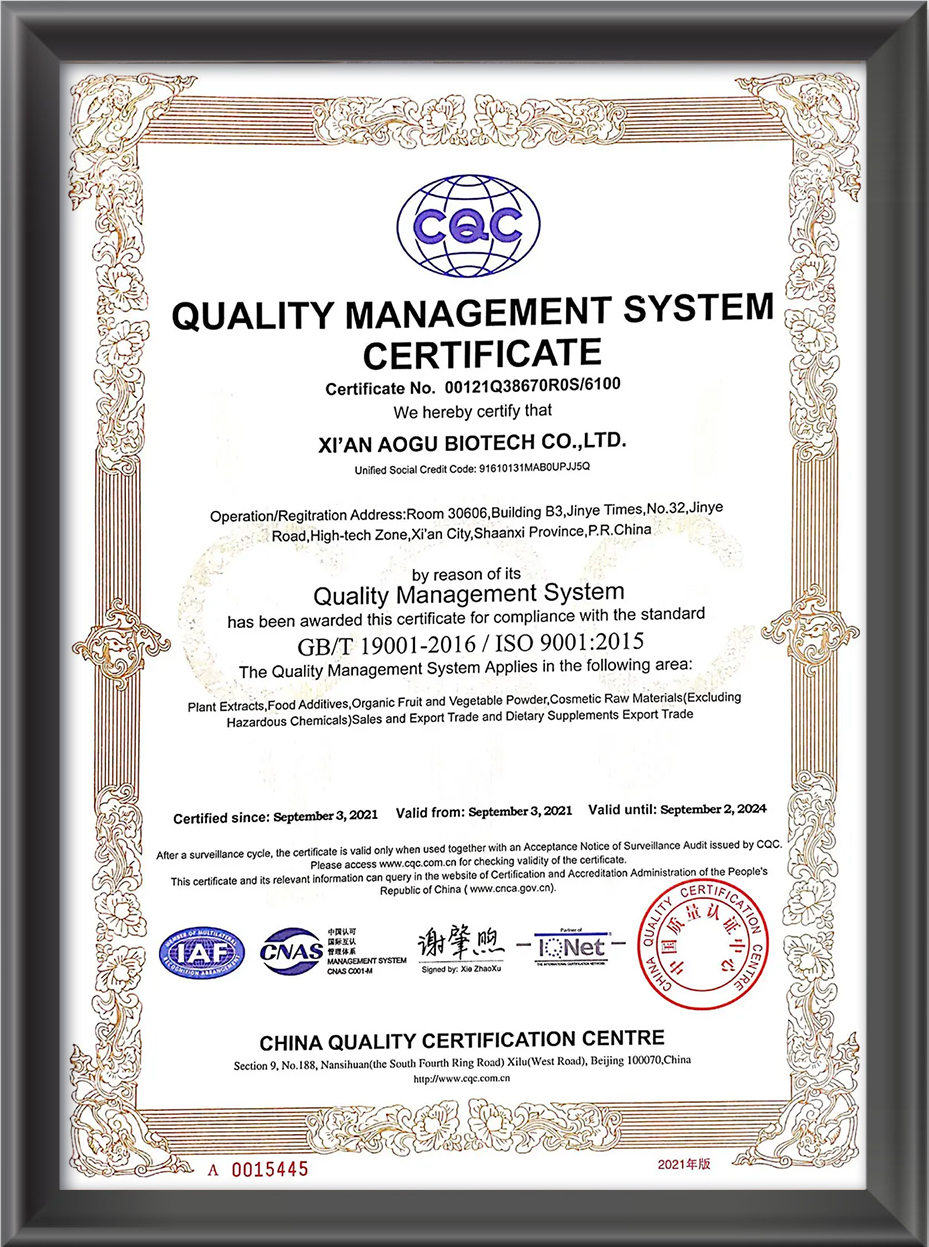
From the standpoint of production, manufacturing MAP involves complex chemistry to convert ascorbic acid into a stable phosphate ester, requiring precise control over purity and stability parameters. Leading manufacturers, such as Xi’an Aoge Biotech Co., Ltd., have invested in large-scale high-tech facilities employing UPLC, HPLC, and other advanced analytical techniques to ensure consistent quality.
Industrial trends emphasize:
Such factors promise a robust outlook for MAP in the cosmeceutical marketplace and position manufacturers who invest in quality and innovation for long-term competitive advantage.
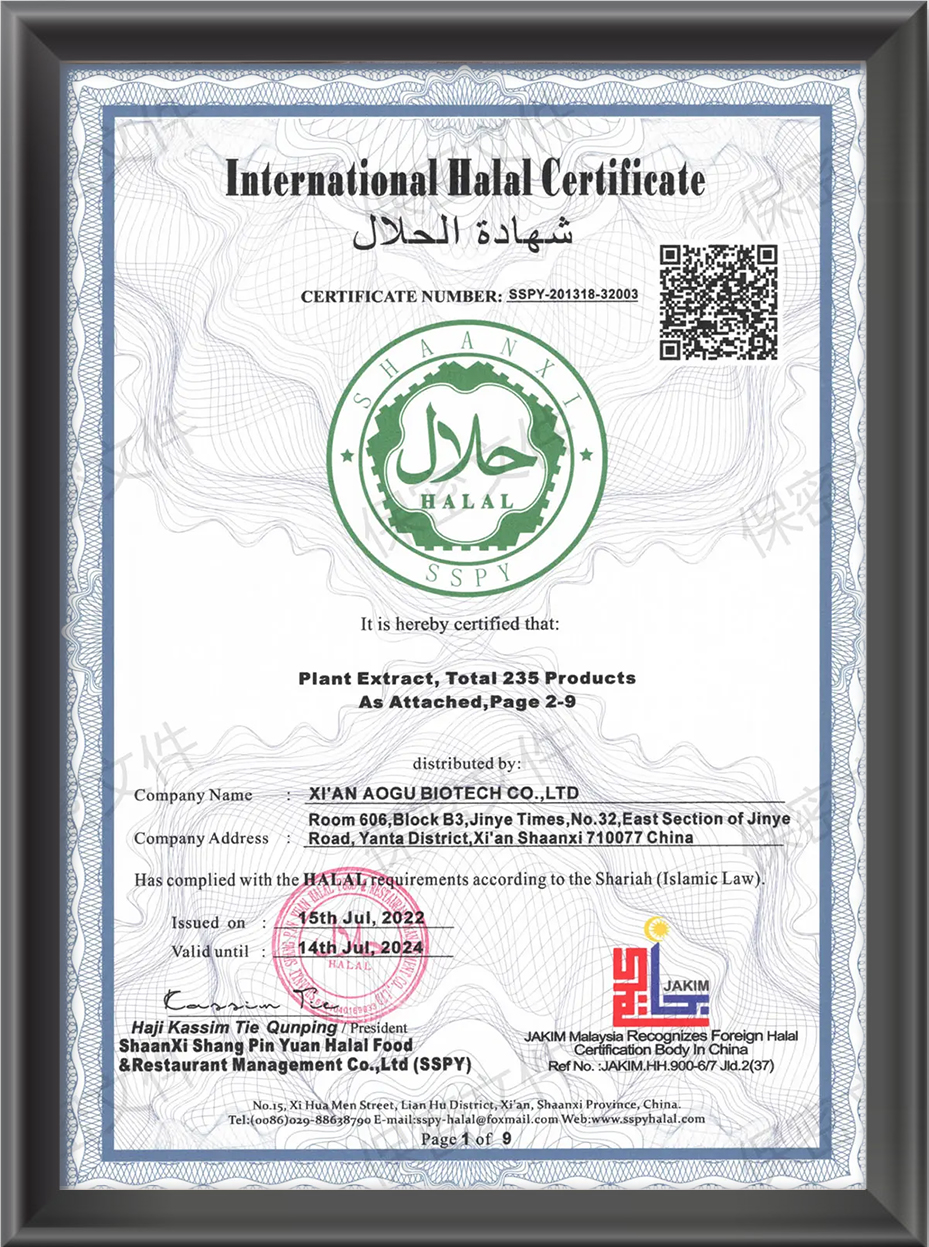
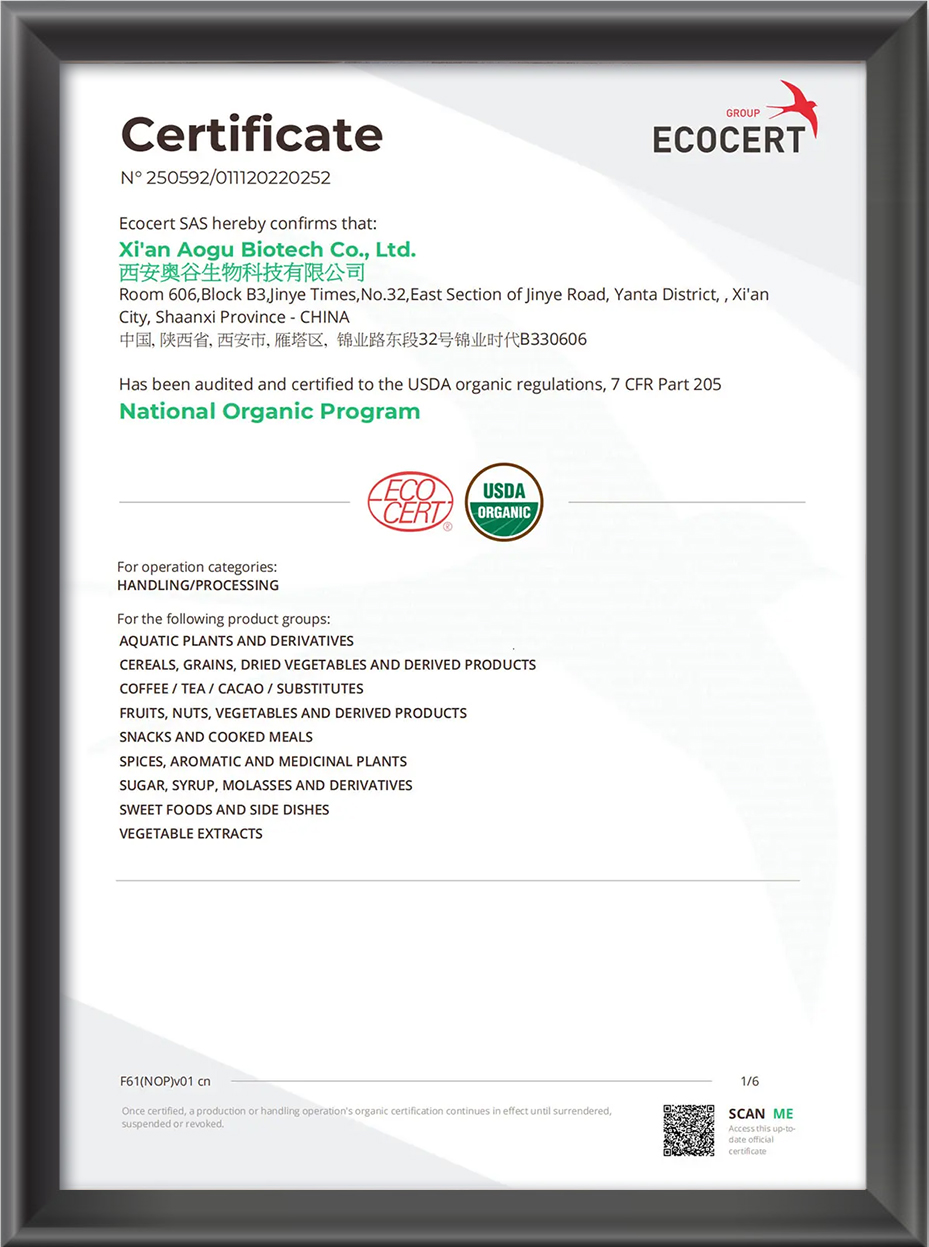
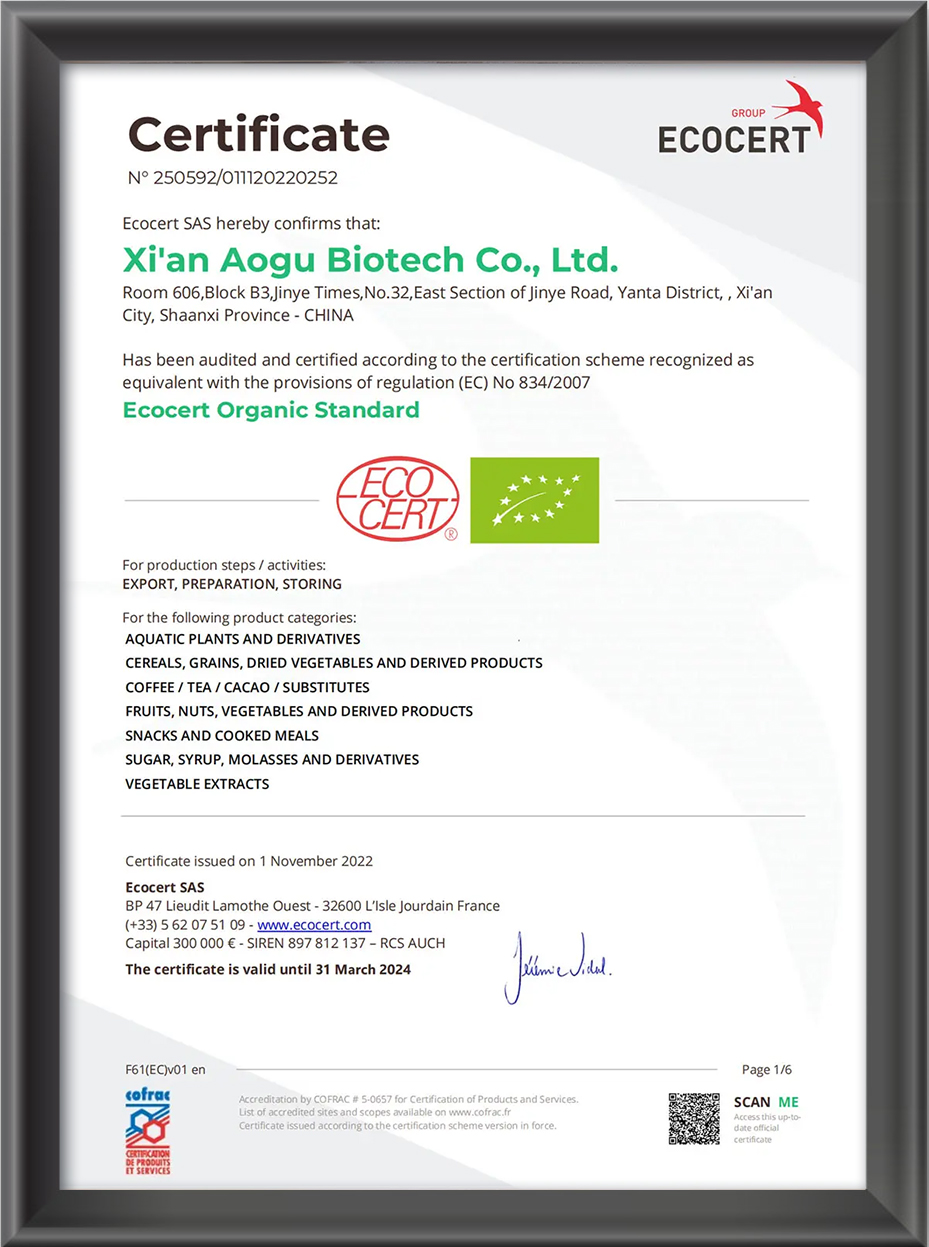
Founded in 2013 and headquartered in the prestigious high-tech zone of Xi'an, Xi'an Aoge Biotech Co., Ltd., along with its subsidiaries Xi'an Imaherb Biotech Co., Ltd. and Xi'an Nahanutri Biotech Co., Ltd., has established itself as a leading force in the cosmetics raw materials industry.
Our expansive cooperative factory, spanning 1,000 mu (approximately 165 acres), is equipped with state-of-the-art extraction technology. This advanced infrastructure allows us to manufacture a wide array of premium cosmetic raw materials. Our product line includes natural plant extracts specifically designed for organic cosmetics, as well as synthetic ingredients for high-end skincare formulations. These raw materials serve as the foundation for a multitude of skincare, haircare, and makeup products, ensuring superior quality and efficacy throughout the entire production process.
View more
Our in-house lab uses advanced instruments like UPLC, HPLC, GC-MS, ICP-MS for quality control, ensuring raw materials meet strict international standards.